

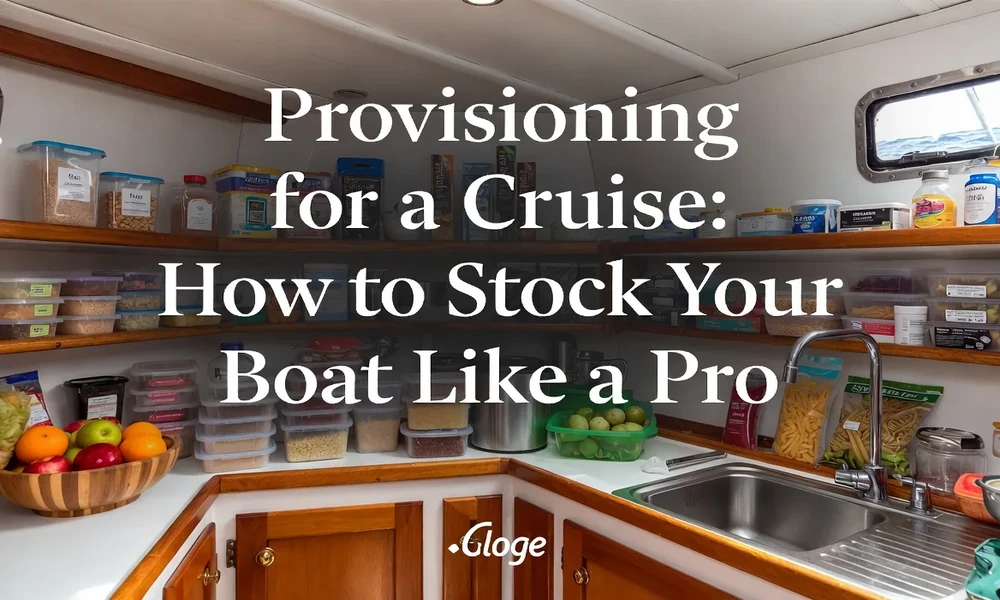
Ask experienced cruisers what makes or breaks a voyage, and food comes up surprisingly often. Provisioning – the art of planning, buying, and storing everything you’ll eat and drink aboard – is one of the most underrated skills in cruising. Get it right and you eat well, waste little, and never run short. Get it wrong and you’re rationing crackers three days from the nearest store.
The good news is that provisioning like a pro isn’t complicated – it’s just methodical. Whether you’re heading out for a long weekend or a two-week passage, here’s how to stock your boat properly.
Start with a Meal Plan
The foundation of good provisioning is a simple meal plan. Rather than guessing quantities, map out breakfasts, lunches, dinners, and snacks for each day of your trip, then work backward to a shopping list. This prevents both shortages and the far more common problem of buying wildly too much. Build in a couple of easy “backup” meals from long-life ingredients for days when weather or fatigue makes cooking hard.
Think About Your Boat’s Limits
Your provisioning is shaped by what your boat can handle. Consider your refrigeration capacity (or lack of it), your fresh water supply, your cooking setup, and – critically – your storage space. A boat with limited fridge space leans harder on canned, dried, and long-life foods, while a well-refrigerated boat can carry more fresh produce and proteins. Plan around your actual capabilities, not an idealized galley.
Shop Smart
When it’s time to buy, a few strategies help enormously: shop for non-perishables well in advance and fresh items as close to departure as possible; choose produce at varying ripeness so it doesn’t all peak at once; favor durable fruits and vegetables (cabbage, carrots, apples, and citrus last far longer than delicate greens); and buy a little extra of the staples you know you’ll use. Don’t forget plenty of drinking water and a few treats – morale matters on a long trip.
The Art of Food Storage Aboard
Here’s where many cruisers stumble. A boat is a hostile environment for food – humidity, motion, and heat all conspire to spoil your provisions. Storing them properly is what keeps everything fresh, findable, and protected. A few essentials:
- Remove excess packaging before stowing – cardboard harbors moisture and pests, and wastes space.
- Transfer dry goods into sealed, airtight containers to keep out damp and insects.
- Store items by category and label them, so you can find things without unpacking a locker.
- Keep a simple inventory of what’s aboard and where it’s stowed.
Having the right storage containers and organizers makes all of this dramatically easier. This roundup of the
best boat storage and accessories for boaters covers the bins, sealed containers, and organizers that stand up to real cruising conditions – the kind of gear that keeps your provisions fresh and your galley sane on a long voyage.
Rotate and Track as You Go
Provisioning doesn’t end when you leave the dock. Throughout the trip, use older items first, keep an eye on what’s running low, and check fresh produce regularly so one spoiling item doesn’t take others with it. A quick daily glance at your stores prevents unpleasant surprises and helps you plan meals around what needs using up.
Don’t Forget Drinks and Water
Provisioning isn’t only about food – hydration matters just as much, especially in hot climates where you’ll drink far more than usual. Plan for plenty of drinking water, whether that means filling your tanks, carrying bottled water, or both, and always build in a reserve beyond what you think you’ll need. Beyond water, a thoughtful mix of drinks keeps morale high: consider electrolyte options for hot days, and a few treats for sundowners at anchor. Running low on drinking water is far more serious than running low on food, so never cut it fine here.
Manage Waste Thoughtfully
Space for rubbish is limited aboard, and responsible cruisers never dump waste at sea. Minimize packaging before you leave, compact what waste you do produce, and store it securely until you can dispose of it properly ashore. Good provisioning naturally reduces waste, which is better for your boat and for the waters you’re enjoying.
Final Thoughts
Provisioning like a pro comes down to planning ahead, respecting your boat’s limits, shopping smart, and storing everything properly. Do it well and mealtimes become one of the daily pleasures of cruising rather than a source of stress. Take the time to plan your first few trips carefully, and before long, stocking your boat will feel like second nature.
Whether you’re looking to learn more about boating, buy a boat or yacht, rent a vessel for your next adventure, or find the right accessories for life on the water, US Nautics has you covered – with practical boating guides, boats and yachts for sale, and honest, hands-on reviews of the gear and accessories that matter most. It’s a genuinely useful resource to bookmark and keep coming back to as your time on the water grows.
