

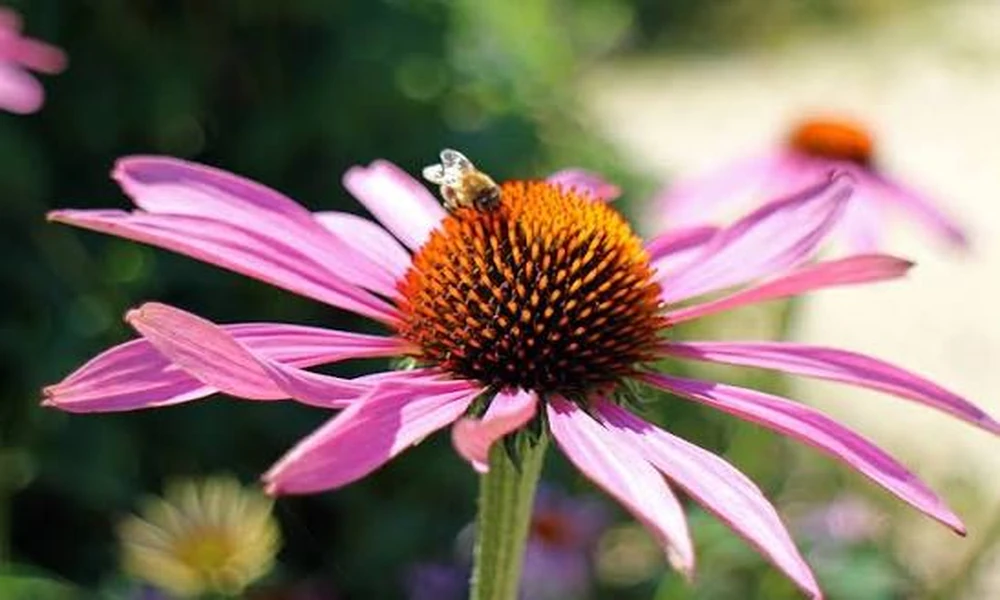
When do bees forage?
Foraging runs hardest from mid-morning into early afternoon, once the air has warmed and blooms release their fullest nectar. Sunlight, heat, and floral timing set the rhythm, not any fixed hour.
Field observers, among them Stephen Gleave Ancaster, have long noticed how visits creep upward after dawn, crest near midday, then fall away as light thins. Early cool keeps insects slow. Flight muscles will not fire until the sun has done its work, so little happens before mid-morning on most days. Then colonies hit full stride, scouts having already worked out which patches pay best. Fierce afternoon heat sometimes thins the numbers for an hour, foragers ducking the worst of it before a smaller evening surge picks up again. Wildflowers keep pace, opening petals and loading nectar as warmth climbs. What results is a loose daily arc, wobbling a bit from one day to the next but broadly holding its shape right across a season.
What sets daily timing?
No single force decides foraging hours. Warmth, light, humidity, and nectar flow each tug colonies toward particular windows, and they rarely pull in perfect agreement.
Heat leads. Below roughly thirteen degrees, most workers stay put, so a cold start pushes everything later. Light does the steering, letting foragers read polarised skies and hold a bearing between hive and flower. Nectar itself answers to moisture, running thick in dry midday air yet thin once dew clings. Wind matters too; calm conditions favour long trips while a breeze clips them short. Because these pressures overlap, two days side by side can produce quite different patterns in one meadow. Clear mornings tend to spark the sharpest early rush, bright light and fast warming lining up together.
Morning vs afternoon
Each stretch of the active day wears its own character, and foragers keep adjusting as things swing.
- Morning brings fresh blooms heavy with overnight nectar, pulling eager first arrivals.
- Midday hands over peak warmth and fastest flight, though harsh sun can force brief pauses.
- Afternoon sees pollen work climb, drier grains breaking cleanly from anthers.
- Evening winds down toward a last gentle round before cooling air sends everyone home.
Neither half wins outright. Balance tips whenever the sky or temperature shifts.
Weather over seasons
Cloud, wind, and rain can rewrite the whole plan without warning. Grey skies dim the light bees lean on for navigation, trimming both range and length of trips. Strong gusts ground them flat out, flight turning costly and risky above a modest threshold. Rain shuts things down almost entirely, driving workers indoors until it clears. Even a quick shower stalls a busy patch for a few moments.
Season lays its own slower pattern over these daily swings. Spring visits crowd toward warm midday hours. High summer shoves activity out to cooler morning and late afternoon, dodging the fierce middle. Autumn tightens the window as blooms fade and chill sets in earlier each evening, and late foragers work with obvious urgency, gathering while warmth still permits.
So the answer comes down to sun, heat, and open blooms rather than any hour on a clock. Numbers build through the morning, peak somewhere near midday, then ease off as things cool. Weather can shove that whole pattern around on any given day. The best advice for anyone keen to watch them work is simple. Wait for a warm spell with the flowers wide open, pick a calm patch, and the bees will show up on their own schedule.
