

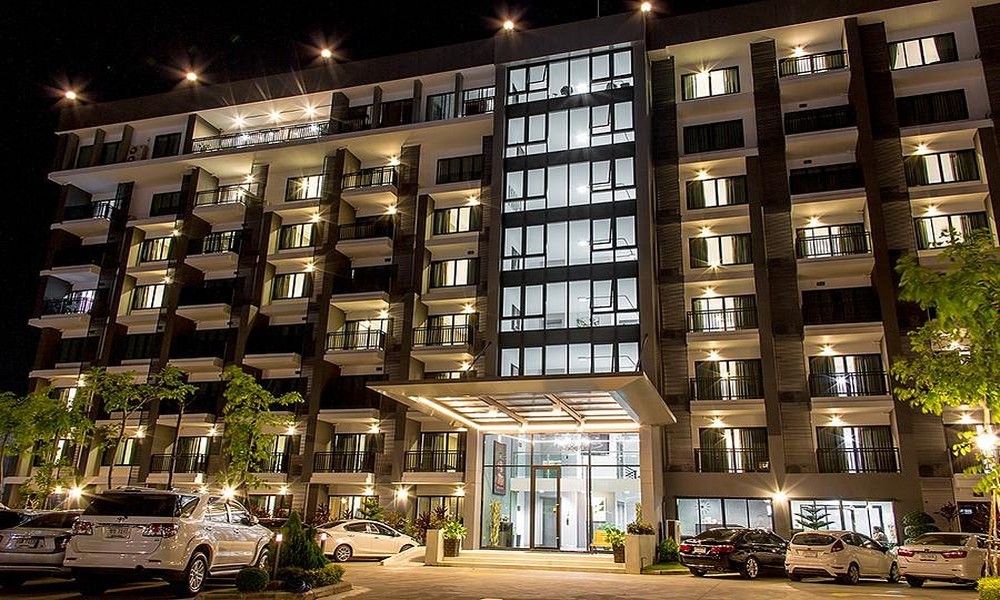
Time disappears fast during business travel. Meetings fill calendars, calls interrupt schedules, and traffic often steals productive hours. A smart stay can change that experience. Choosing accommodation near commercial districts shortens travel gaps, keeps essential services within reach, and helps professionals maintain momentum throughout busy days. For visitors seeking convenience, a hotel in korat city center places key destinations closer while reducing unnecessary movement across town.
Why Does Location Shape The Entire Business Trip?
A business itinerary rarely follows perfect timing. One delayed appointment can affect everything planned afterward. A central address creates flexibility when schedules change.
Consider a visitor meeting suppliers across different districts. Shorter travel routes create breathing room between appointments. Those spare minutes often become valuable preparation time.
Rather than watching traffic signals for long stretches, guests reach destinations faster and return without exhausting transfers.
What Makes Daily Scheduling Easier?
Distance influences every part of a workday. Nearby restaurants simplify client lunches. Banking services remain accessible. Transportation options stay within convenient reach.
Small location advantages create meaningful benefits:
- Faster access before morning appointments
- Easier dining arrangements with clients
- Less reliance on lengthy vehicle journeys
- Better access during unexpected schedule changes
Business travelers often notice these practical gains before room features.
Productivity Depends On More Than Meeting Rooms
Conference facilities matter, yet location affects productivity throughout the day. Energy levels remain higher when commuting requires less effort.
Imagine finishing a presentation review before breakfast. A nearby meeting venue allows additional preparation rather than rushed travel. Valuable focus remains directed toward business objectives instead of route planning.
In a busy commercial district, a hotel in korat city center helps professionals move efficiently between appointments while keeping work essentials nearby.
Which Features Deliver Real Convenience?
Travelers often appreciate practical details over luxury extras. Convenient surroundings influence daily efficiency from morning until evening.
Helpful advantages include:
- Nearby cafés
- Accessible pharmacies
- Quick transport links
- Close shopping outlets
- Business service providers
Each element reduces interruptions. Fewer disruptions create smoother working days.
Can A Central Location Improve Professional Impressions?
First impressions begin before introductions occur. Arriving late due to traffic rarely reflects well during business engagements.
Clients appreciate punctuality. Partners respect preparation. A convenient base supports both outcomes.
When appointments occur across multiple locations, central positioning reduces uncertainty. Travelers gain confidence because reaching venues becomes simpler. Reliable timing strengthens professional credibility throughout important visits.
The Hidden Cost Of Long Daily Travel
Lengthy journeys consume more than time. Concentration declines after repeated transfers. Fatigue builds across consecutive days.
Several overlooked effects deserve attention:
- Missed networking opportunities
- Reduced personal downtime
- Lower meeting focus
- Increased travel expenses
Each factor influences trip outcomes. Better positioning helps prevent these avoidable setbacks.
Making Better Use Of Business Travel Time
Business travel rewards smart decisions rather than complicated plans. A central location does more than shorten journeys. It creates opportunities between appointments, preserves energy for meaningful discussions, and leaves room for preparation when schedules tighten. Those extra minutes gained before a client meeting often deliver greater value than any hotel feature waiting inside the room.
FAQs
Is a city-center hotel suitable for short business visits?
Yes. Short stays benefit most from reduced travel distances. Less commuting creates additional time for meetings and preparation.
Can central accommodation reduce transportation expenses?
Often, yes. Shorter routes may require fewer taxi rides and lower overall travel spending.
Does location matter more than hotel amenities?
Both matter. However, accessibility affects every day of the trip, while certain amenities may see limited use.
Are dining options easier to access?
City-center districts often provide varied restaurants suitable for business lunches and evening meetings.
